

Stories, Insights, and Tips
Benefits of Sourdough
Sourdough is the traditional bread that warms modern hearts. It’s been baked for thousands of years, yet it’s experiencing a major comeback– and for good reason! Behind its delicious flavor and beautiful blistered crust, sourdough offers additional healthful qualities that set it apart from many other breads.
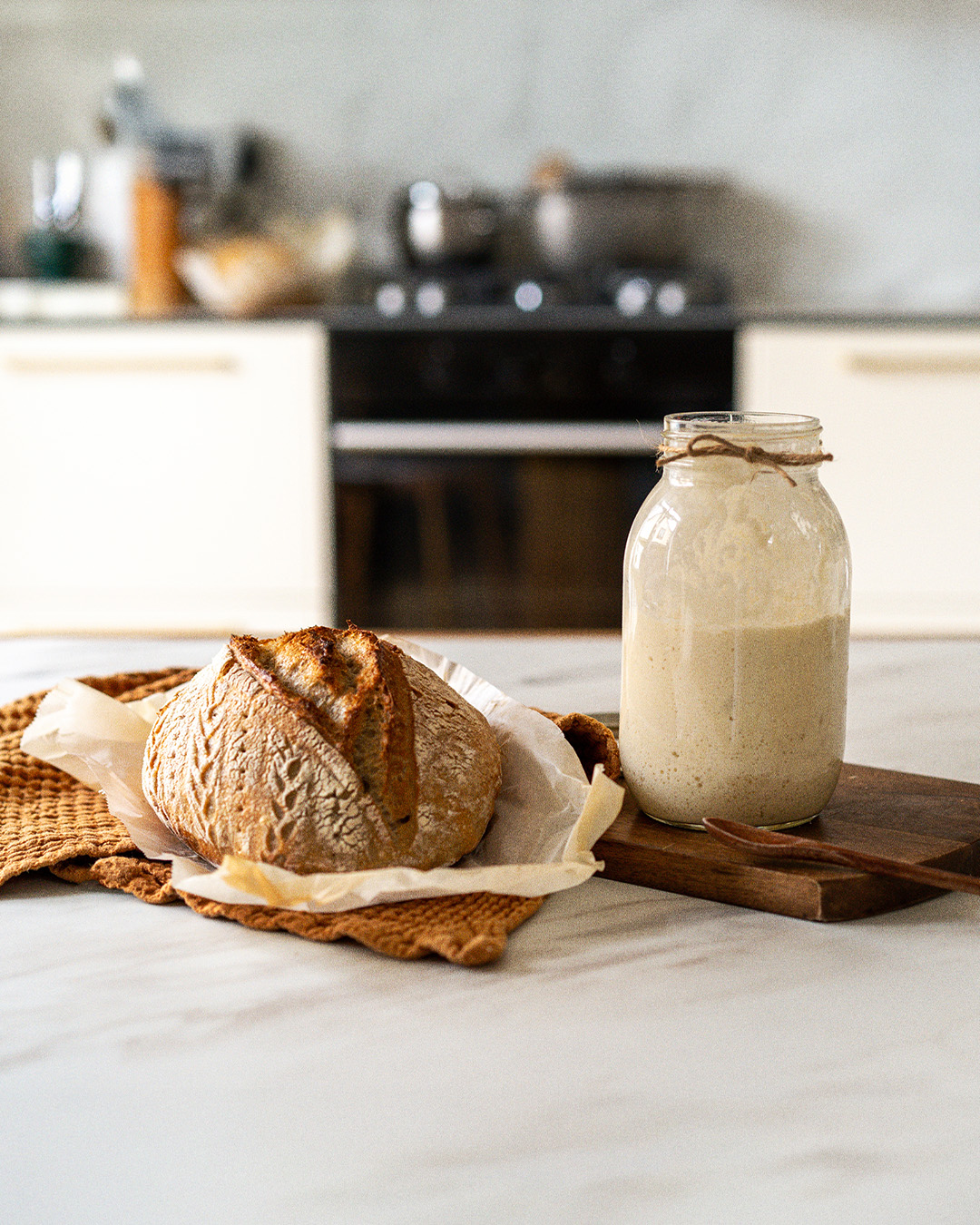
Most sourdough bread starts with just flour, water, and salt, using a naturally fermented starter instead of commercial yeast. This time-honored leavening agent contributes to a loaf that many people feel fits well into a balanced, healthful lifestyle.
But sourdough is more than just bread– it is a traditional fermentation process that supports digestion, balance, and a more healthful journey from the inside out. Sourdough is often easier for people to digest because natural fermentation begins breaking down the starches before they even reach your stomach. It has a lower glycemic index, which can also help to prevent sugar spikes. Plus, it provides beneficial bacteria, Lactobacillus, which promotes overall gut health.
Fermentation also creates a depth of flavor, naturally. (Of course, adding spices, nuts, dried fruit, or even dark chocolate is encouraged!) This makes sourdough appealing to anyone seeking a simpler, more traditional bread.
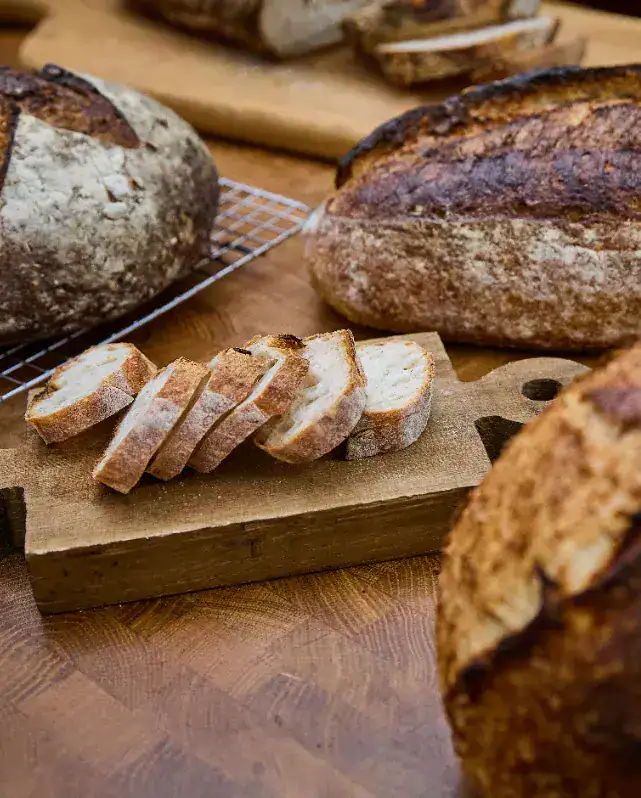
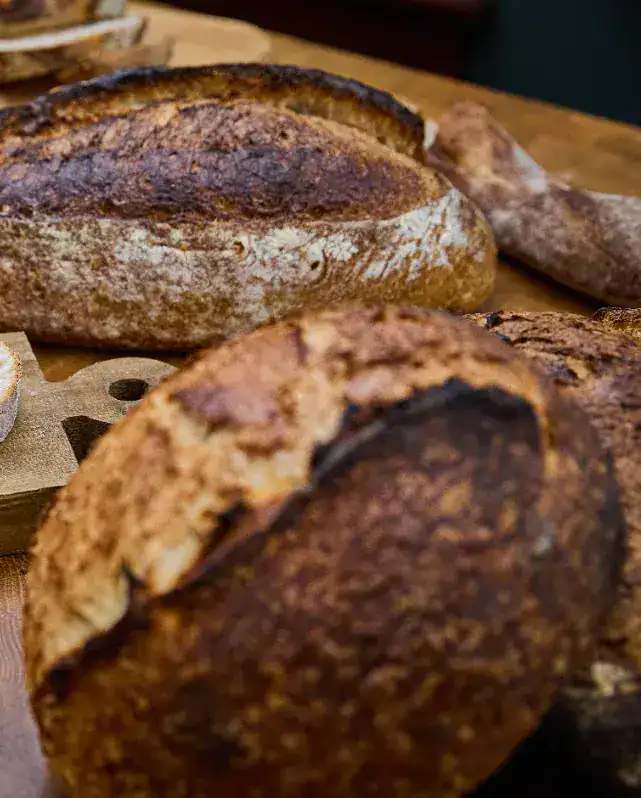
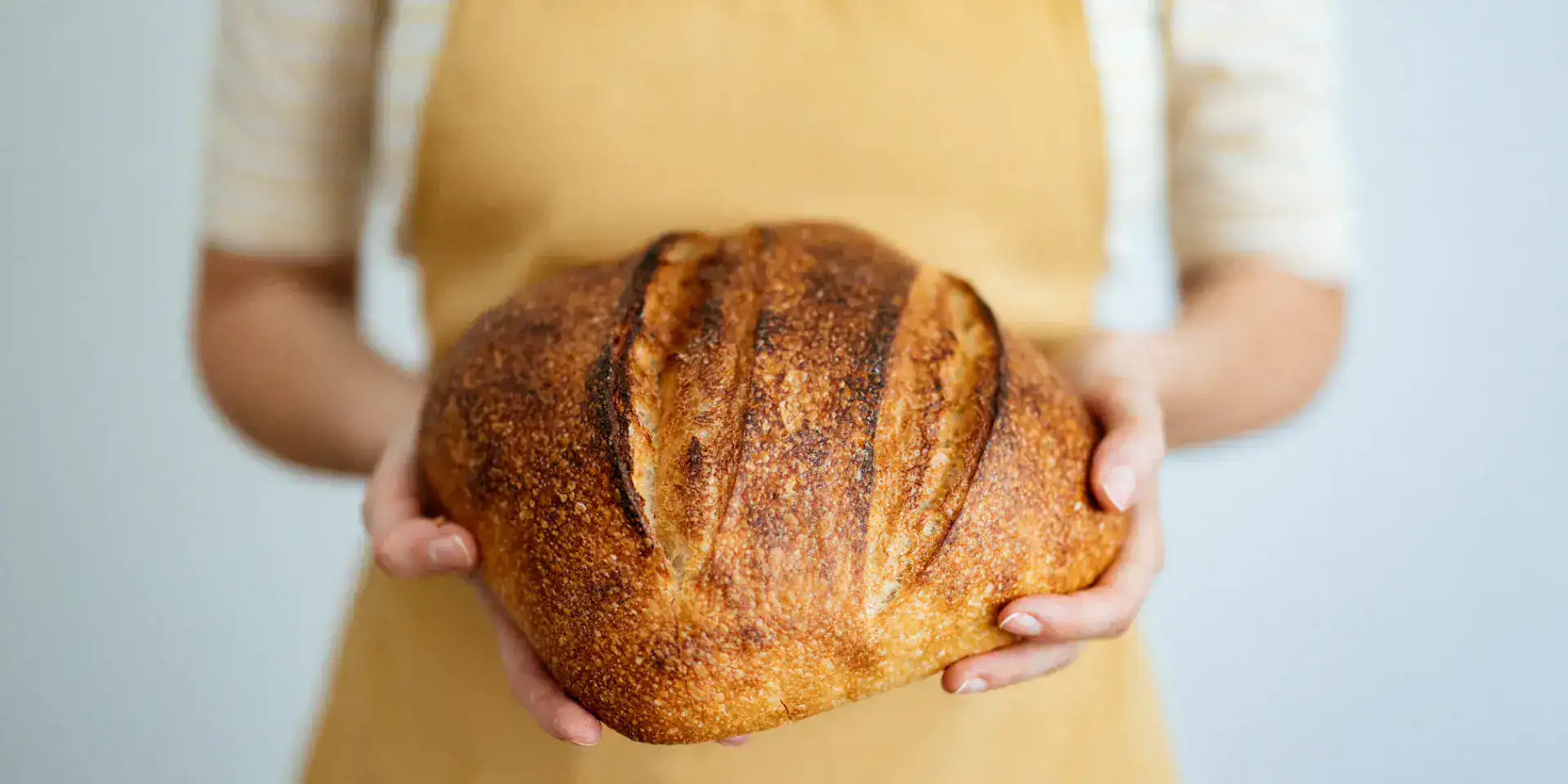
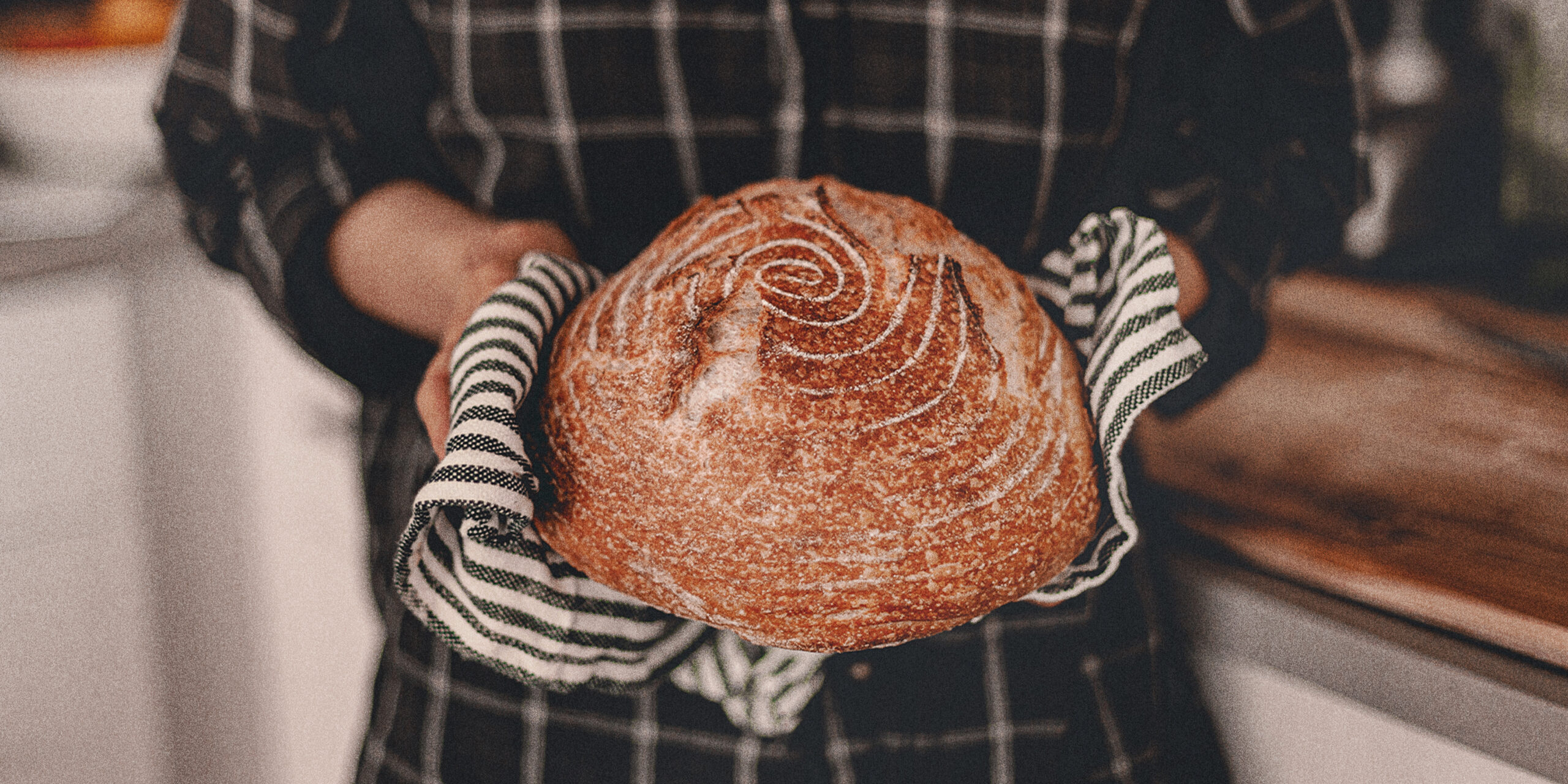
Finally, there’s something to be said about the process of making sourdough bread. It’s mindful and intentional, and many bakers find the slower pace encourages patience and boosts their sense of accomplishment. Just take a look at the beautiful bakes from our community of bakers, beaming with creativity and pride! From feeding the starter to shaping the dough, each step prompts pause and a moment to be present. This mindful practice can seem like a small retreat from a busy day.
Sourdough bread can be a meaningful and enjoyable part of mindful eating– especially for those who appreciate the process, flavor, and simple, clean ingredients.
Tips and Tricks
Paired to Perfection: For balance, eat your sourdough bread with proteins, healthy fats, or fiber-rich foods.
Fresh Bread Storage: Keep your loaf at room temperature in a paper/linen bag or a bread box. Avoid the fridge and plastic to retain that signature crispy crust.
Freeze for Later: Slice and freeze your loaf, so you can pull out single servings on demand. Toast slices directly from the freezer for the most delicious results.
Play with Toppings: Top with nut butters, roasted veggies, or a simple drizzle of olive oil for a tasty, healthful, and satisfying bite!
The Ultimate Bread Pan®
Discover the Challenger Bread Pan and fall in love with its perfectly placed handles (large enough for your oven mitts), its thick cast iron construction that ensures steady high heat, a tightly sealed environment for optimal steam creation, and its versatile design that accommodates numerous bread shapes and sizes.
Latest Articles

Spring Cleaning: Organizing & Cleaning Your Bake Station
Stories, Insights, and Tips All Articles All Articles Spring Cleaning
Easy Gluten-Free Sourdough Starter for Beginners!
Stories, Insights, and Tips All Articles All Articles Easy Gluten-Free
Benefits of Sourdough
Stories, Insights, and Tips All Articles All Articles Benefits of

Let’s Explore Sourdough Traditions
Sourdough is a beloved and timeless cultural tradition across the

Must-Have & Nice-to-Have
Every great sourdough loaf starts with the right foundation, and
Is your summer sourdough proofing too fast?
Stories, Insights, and Tips All Articles All Articles Keep Your