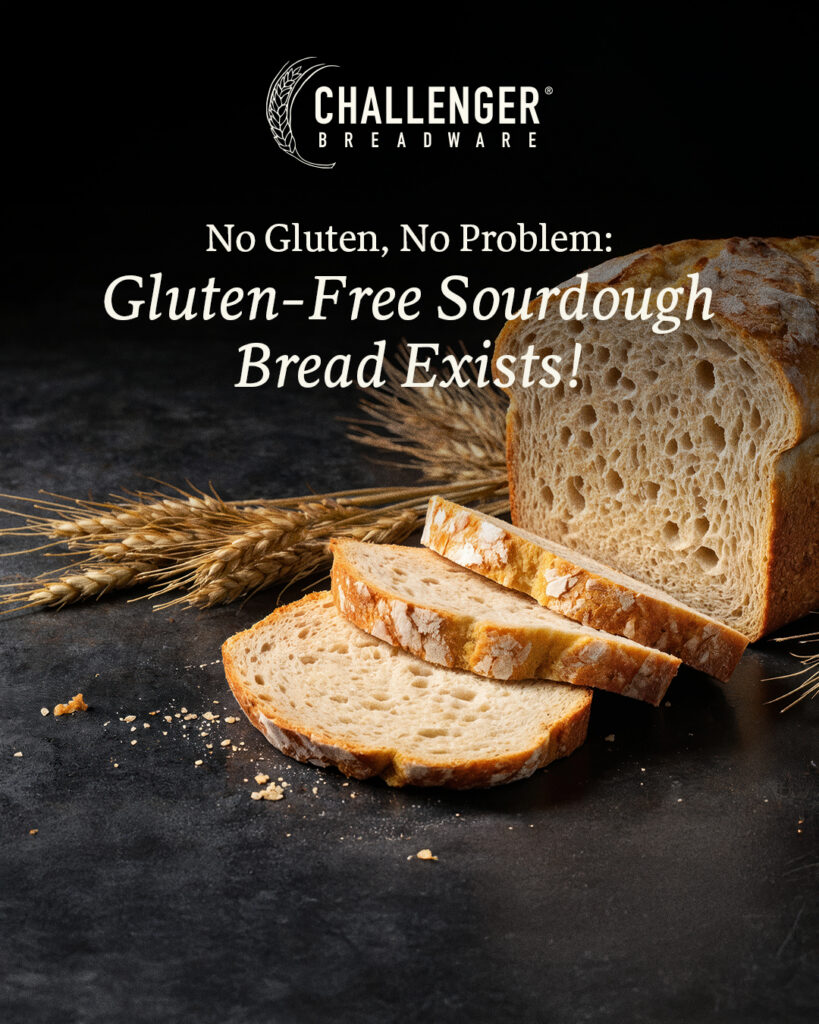
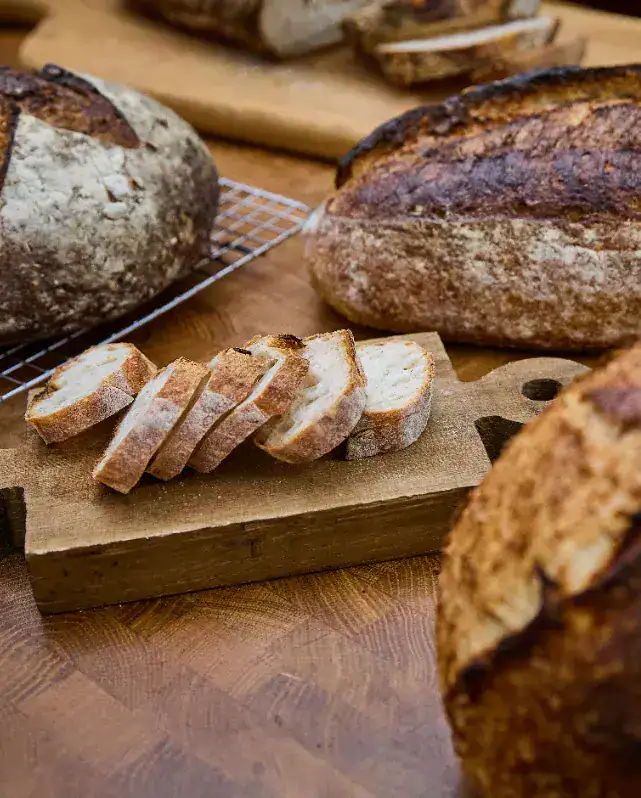
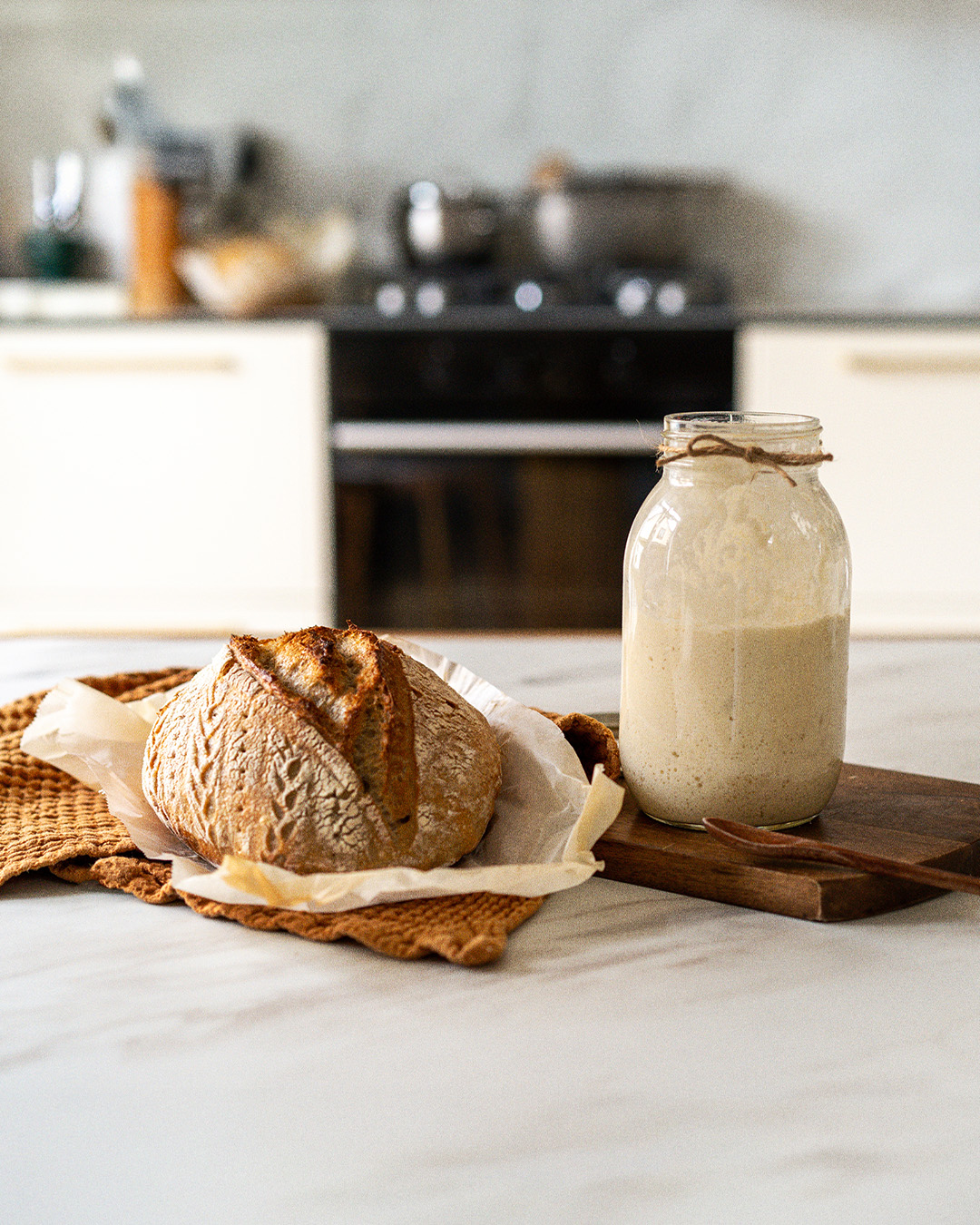
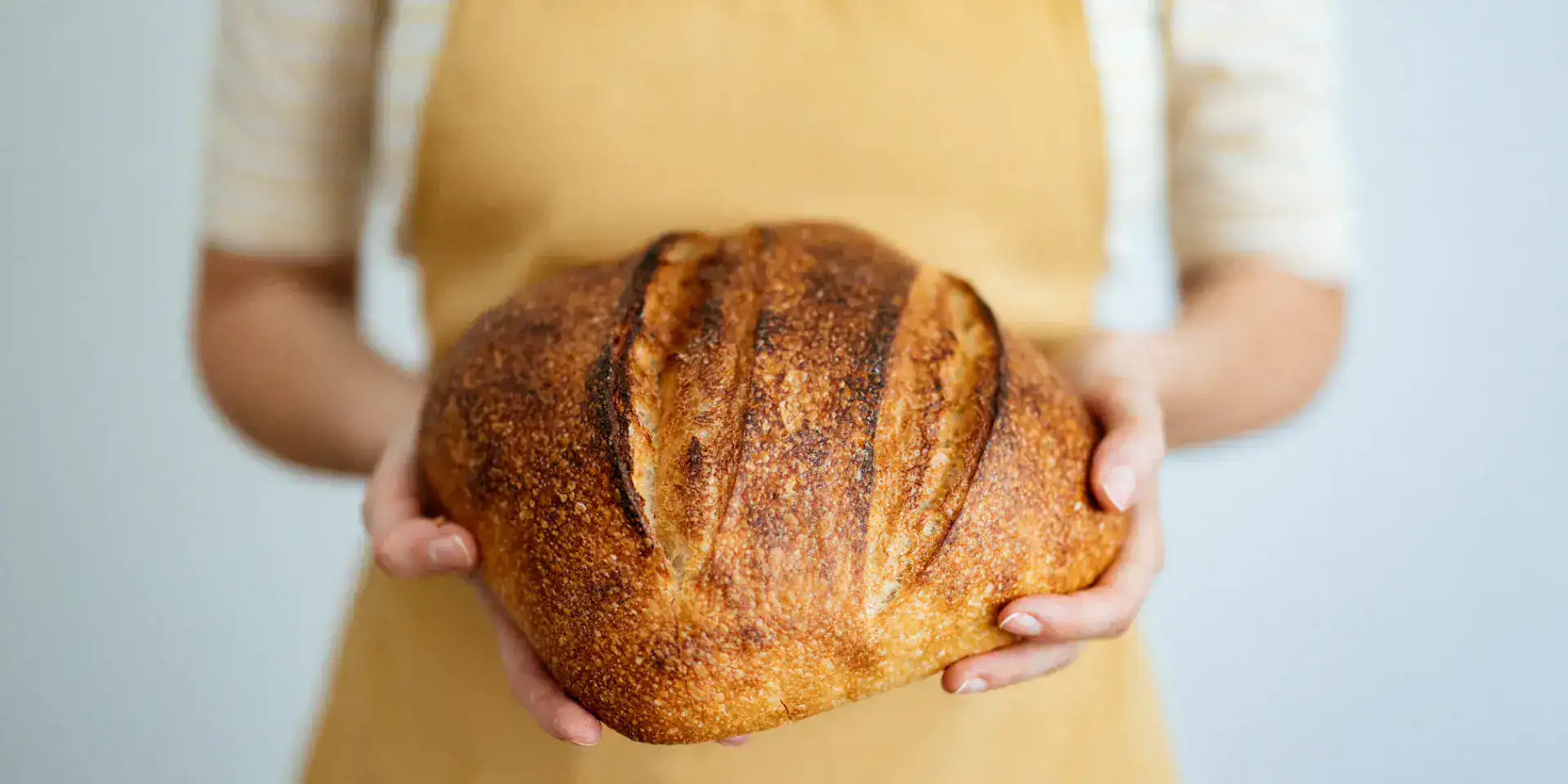
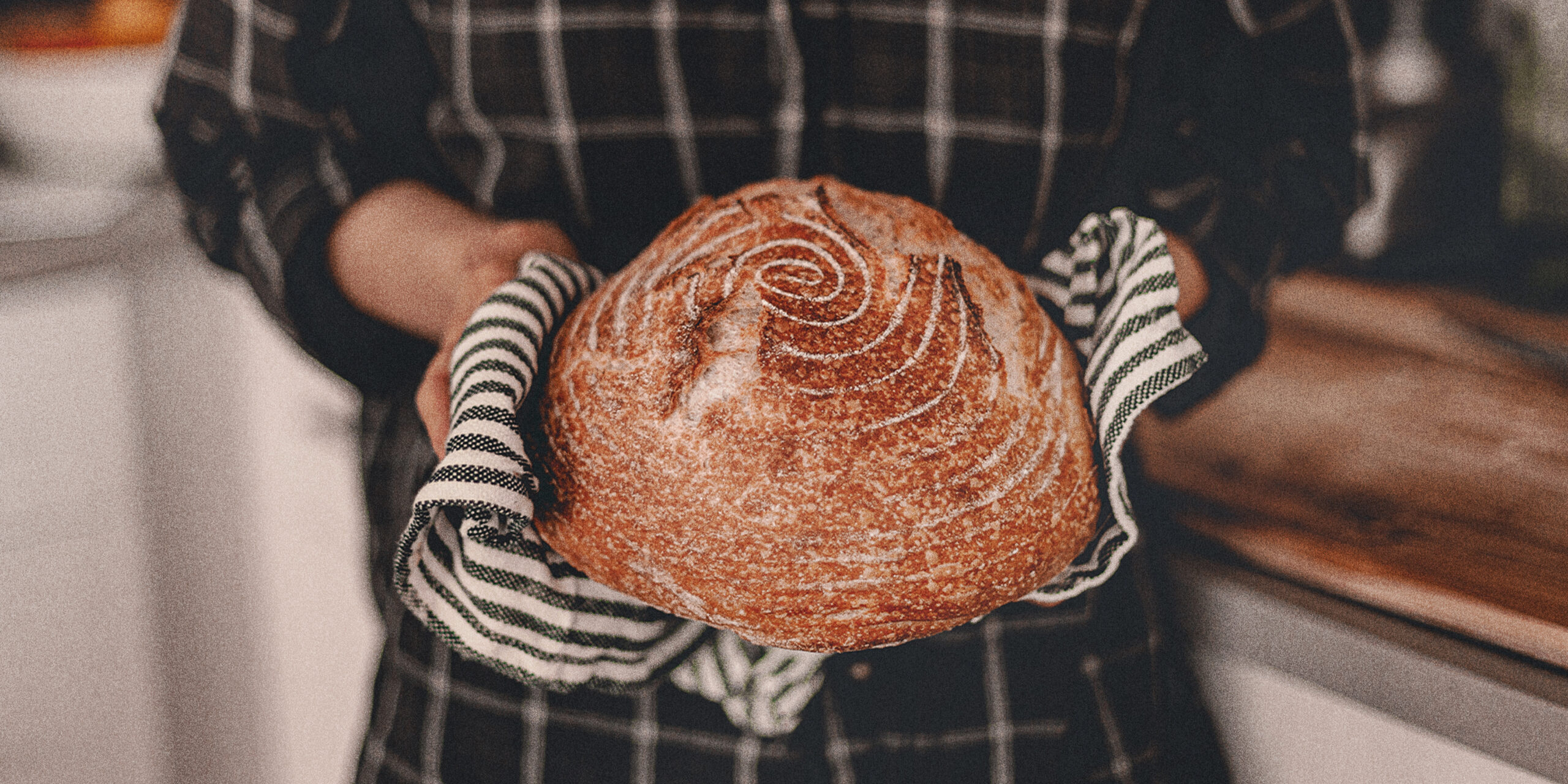
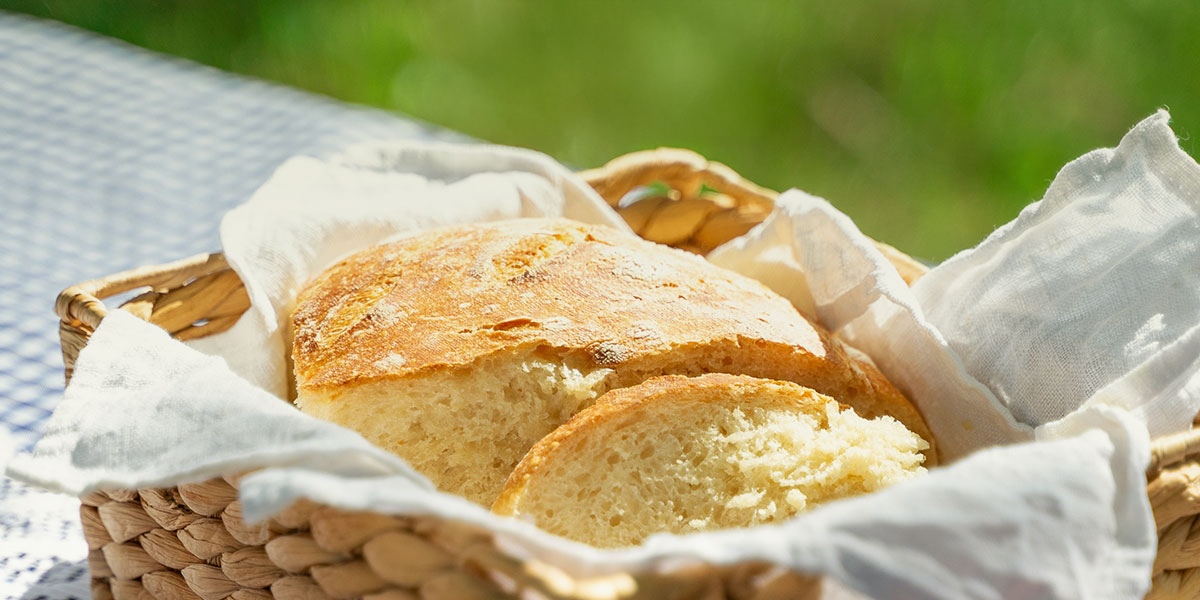
While sourdough has been on the rise, we’re often asked if gluten-free sourdough is even an option. The answer is YES! Sourdough CAN be made gluten-free! With just gluten-free flour and water, this simple starter creates a naturally fermented culture for gluten-free bread. No commercial yeast needed! With a few minutes of daily care, your starter will be ready in about two weeks.
Ingredients:
• 1400g of whole grain gluten-free flour (brown rice, buckwheat, sorghum, millet; no added starches or gums)
• 1400g of filtered water (not tap or distilled)
Supplies:
• Food scale
• 1-quart clear glass jar
• Wooden spoon
• Silicone spatula
• Colored tape or elastic band
• Clean towel or food-safe plastic wrap
Step-by-Step Instructions:
Before starting: Weigh the empty glass jar and write the weight down; you’ll use the number daily.
Day 1
- First Feed: In a clean, dry jar add 50 g brown rice flour + 50 g room-temperature filtered water (a few grams over/under is fine). Consistency should be a thin paste, slightly thicker than pancake batter; adjust with flour or water if needed. Stir with a wooden spoon, scrape down sides, mark the starter level on the jar with tape/elastic, cover loosely, and place in a warm spot (an ideal indoor temperature is between 70-80F degrees) out of direct sunlight.
- Second Feed (12 hrs later): Stir, add 50 g flour + 50 g water, stir well, scrape sides, re-mark starter level, cover loosely, return to warm spot.
Day 2
- First Feed (12 hrs later): Repeat Day 1 Second Feed.
- Second Feed (12 hrs later): Repeat Day 1 Second Feed.
Day 3
- First Feed (12 hrs later): Stir, discard all but 100 g starter. (Example: if jar = 730 g, scale should read ~830 g after discarding.) Add 50 g flour + 50 g water (total ~930 g). Stir, scrape sides, remark level, cover loosely, keep warm.
- Second Feed (12 hrs later): Repeat Day 3: First Feed.
Days 4–5 (every 12 hrs)
- Repeat Day 3 First Feed
- If the starter shows good bubbles and nearly doubles between feeds, move on.
- If not, continue Day 3 First Feed steps until it does. Timing depends on temperature, season, flour, and water.
- If there is no activity after 5 days (no bubbles, very loose), start over.
Day 6
- Feed (24 hrs after last feed): Switch to once-daily feeds. Stir, discard to 100g starter, add 100 g flour + 100 g water (example total ~1,030 g with a 730 g jar). Stir, scrape, remark level, cover loosely, keep warm.
Day 7
- Feed (24 hrs later): Repeat Day 6 Feed.
- Continue daily Day 6 feeds until the starter doubles within 4–6 hours after feeding and smells pleasantly yeasty. This may take up to another 7 days. The starter is then ready to bake.
Keep the jar in a warm, draft-free spot and wipe the rim clean regularly. Once active, continue daily feedings or store in the refrigerator and feed weekly.
Maintenance
Store in the fridge. Feed weekly: stir, discard until you have 100g starter, add 100g flour + 100g water, stir, scrape, remark level, cover lightly, refrigerate.
Before Baking
Remove from fridge, bring to room temperature, feed normally (100g starter, flour, and water). Let rise 4-6 hours until peak. If it hasn’t peaked within 12 hours, feed again with the same amounts.
Peak (relating to your sourdough starter) is the moment of maximum fermentation, when the starter has risen to its highest point (usually doubled or tripled), is bubbly and has a sweet, yeasty aroma, and is strongest for leavening before it begins to fall.