Preparation:
Step 1: make levain
To make levain, review the Levain Ingredients then mix together your starter, bread flour, and water. Cover with a banneton cover and let ferment for 4 hours at 72°F/22°C.
Step 2: autolyse
Add the levain, bread flour, wheat flour, and water 1 to a medium bowl. Mix by hand until all the flour is absorbed. You want to ensure that there are no dried bits of flour in the mixture.
Cover with a banneton cover and let rest for 30 minutes.
Step 3: MIX
Sprinkle salt evenly over the top of the dough. Squeeze in by hand and knead for 3-5 minutes. Combine water 2 and olive oil in a small bowl. You’ll be adding this mixture in three additions. Slowly drizzle 1/3 of the mixture over the dough squeezing it in as you go. Incorporate the mixture well throughout the dough. Slowly drizzle in the next 1/3, and squeeze/incorporate well the same way. Finally, slowly drizzle the last of the mixture, squeeze it in, and incorporate it well. This can take another 5 minutes. The dough should become relatively smooth and shiny through this process. If the dough disperses into strands while incorporating the second addition of water and oil, make sure to keep mixing until it comes back together as one solid ball of dough.
Cover with a banneton cover and let it ferment at room temperature for two hours. Fold the dough and refrigerate it for 68 hours.
Step 4: BULK fermentation & FOLD
Fold the refrigerated dough after 22 hours. Fold it again after another 24 hours. Let it ferment for 22 more hours before moving on to Step 5.
STep 5: SHape & proof
Portion the dough in half, giving you two 450g pieces. Shape each piece into a tight round. Place each ball seam-side up in a floured banneton.
Let the dough rise at room temperature for 3-4 hours. To test for appropriate proof, press your finger lightly into the dough. It should feel like it has air in it. Your fingerprint should not remain in the dough but slowly fill back in.
STep 6: ADD TOPPINGS & Bake
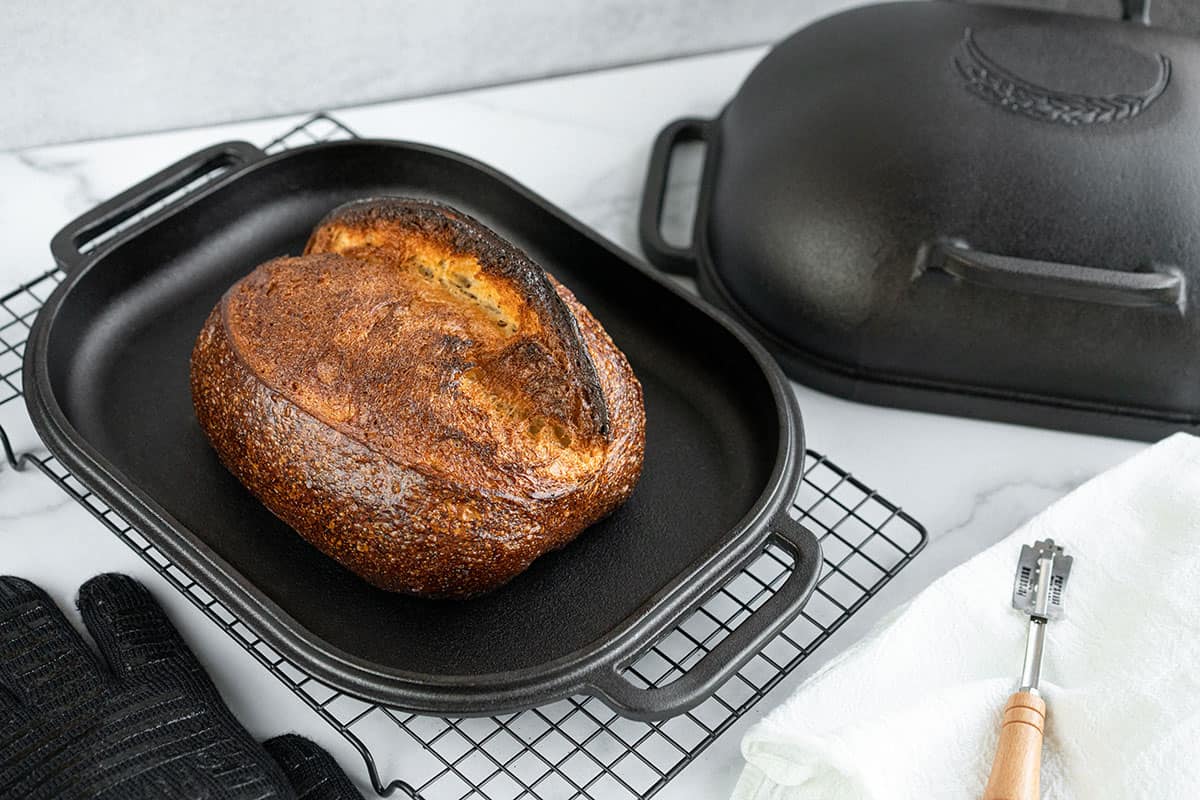
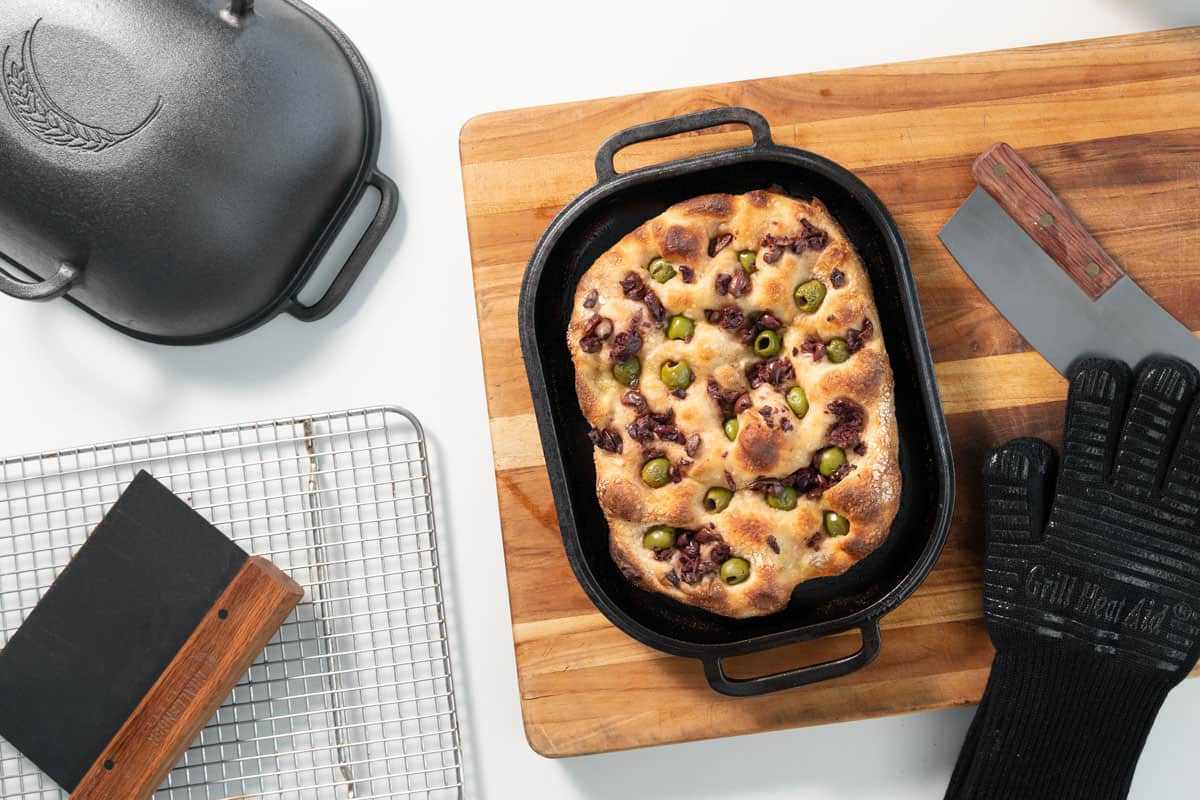
Preheat your oven with the Challenger Bread Pan base inside at 500°F/260°C for one hour. You do not need to preheat the lid.
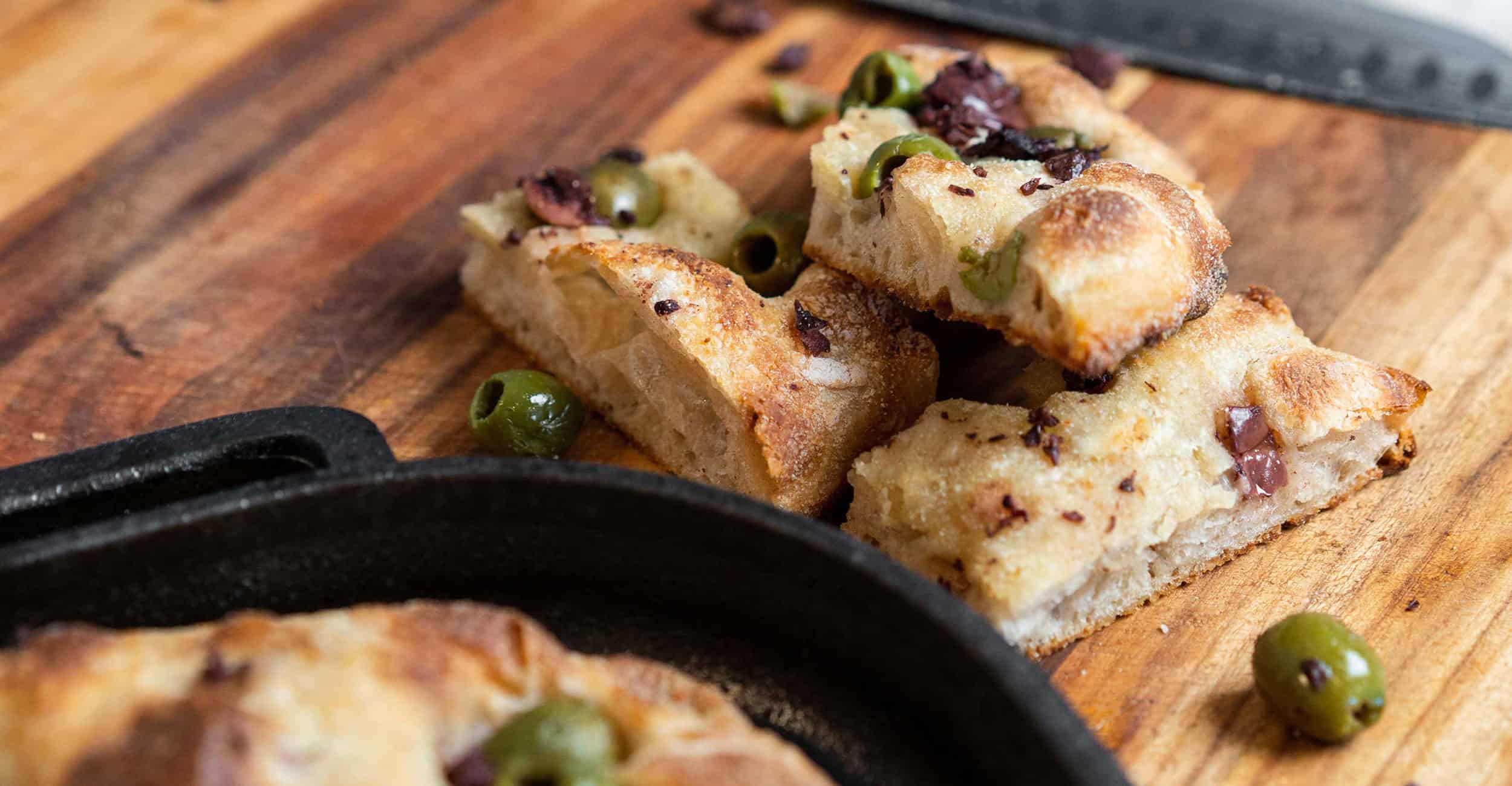
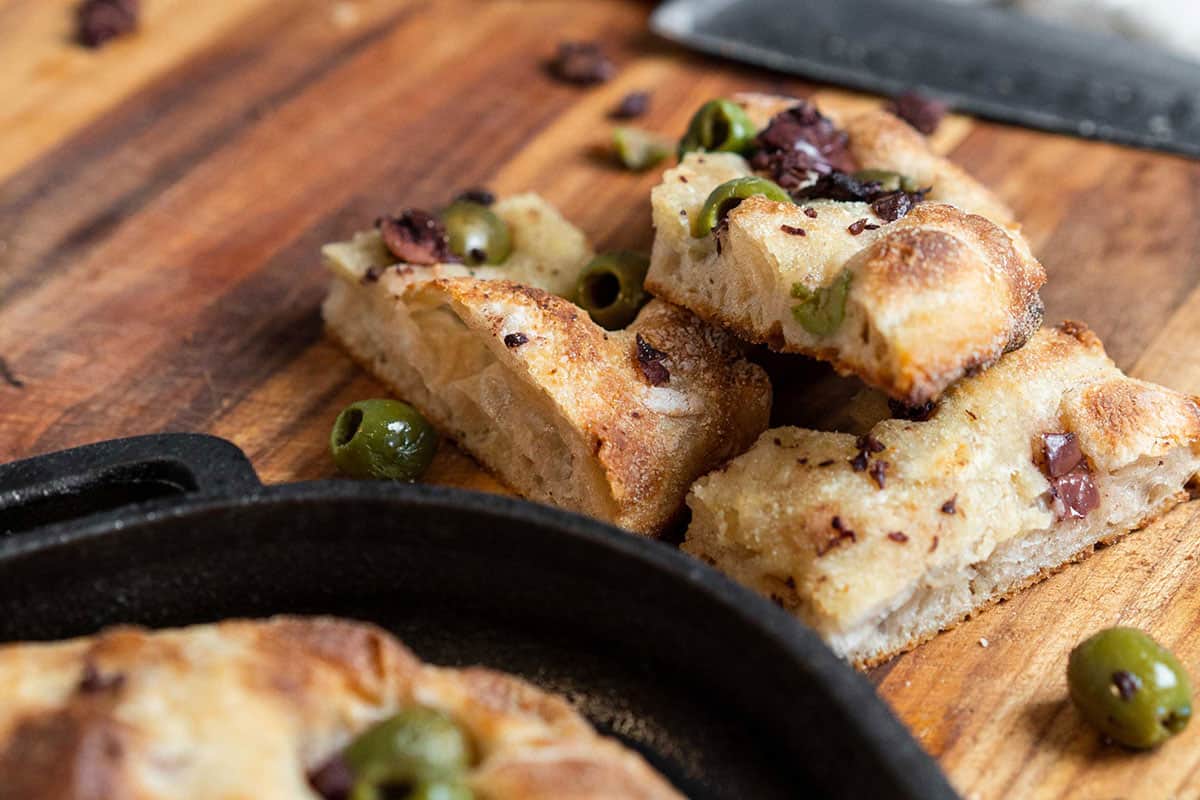
Oil the base of the Challenger. Stretch one ball out to fit the size of the Pan.
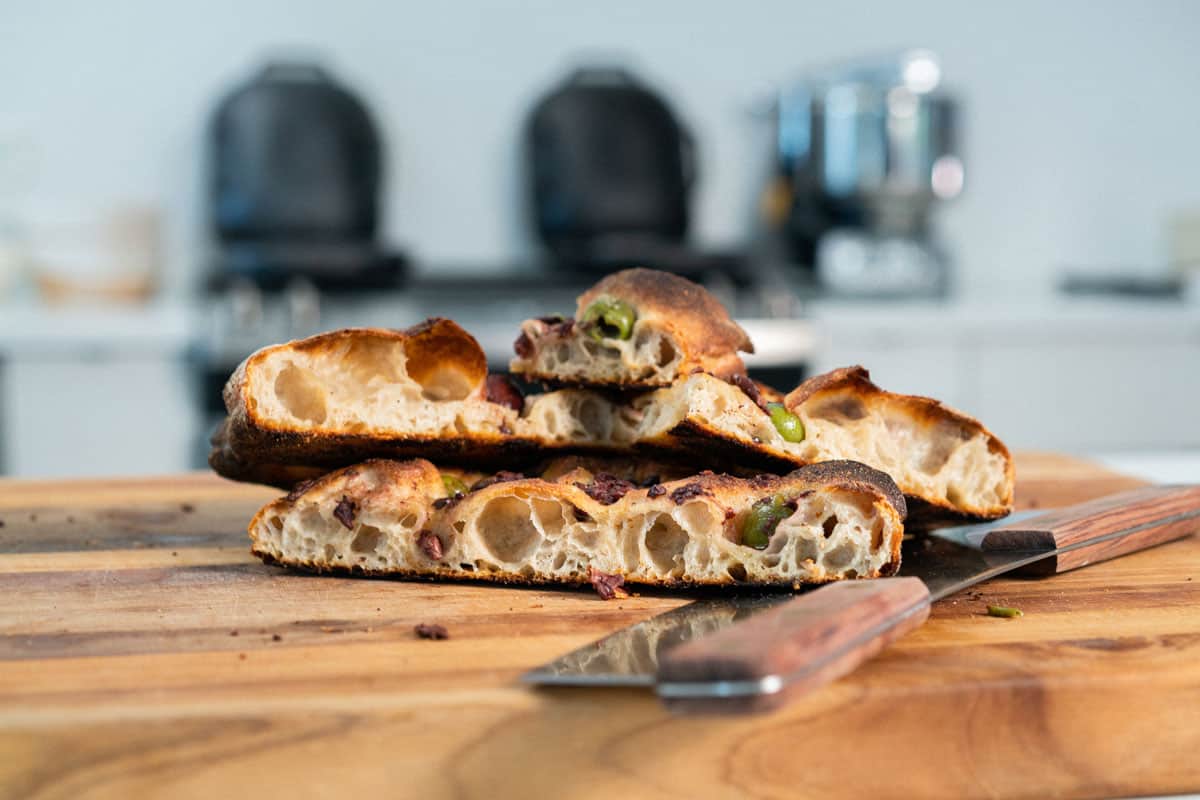
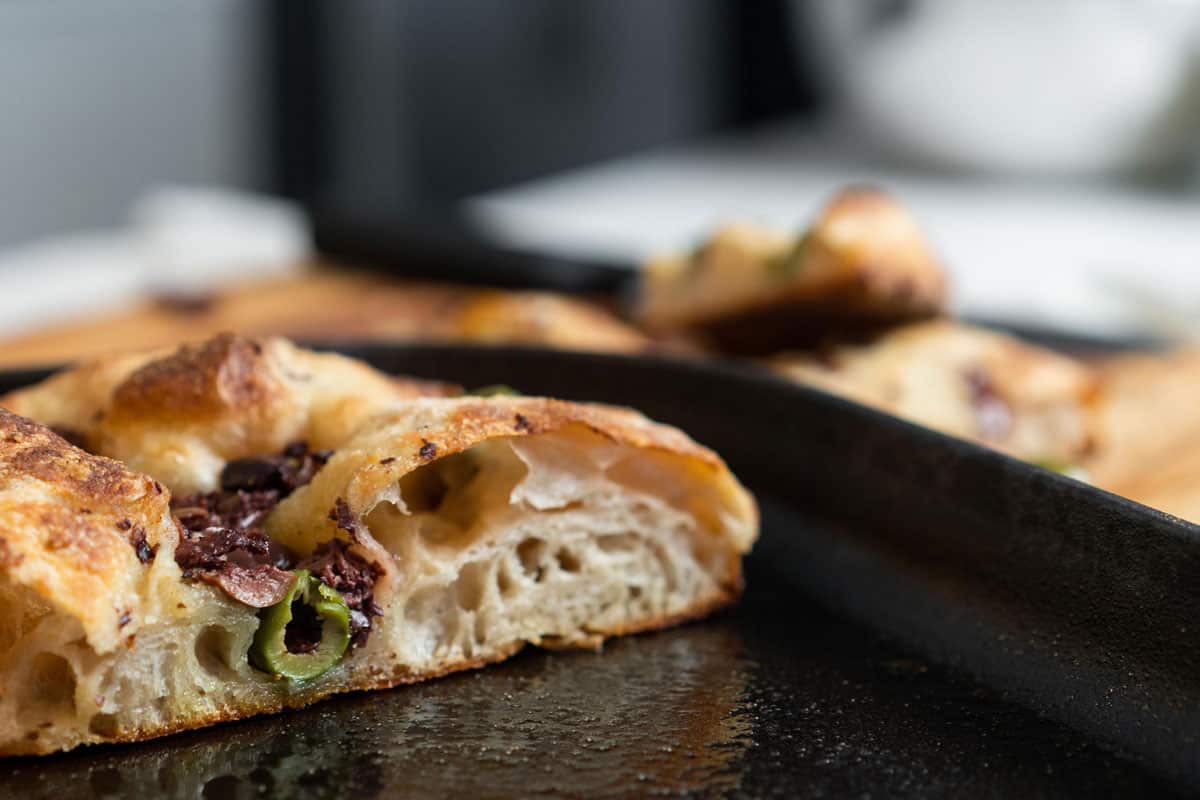
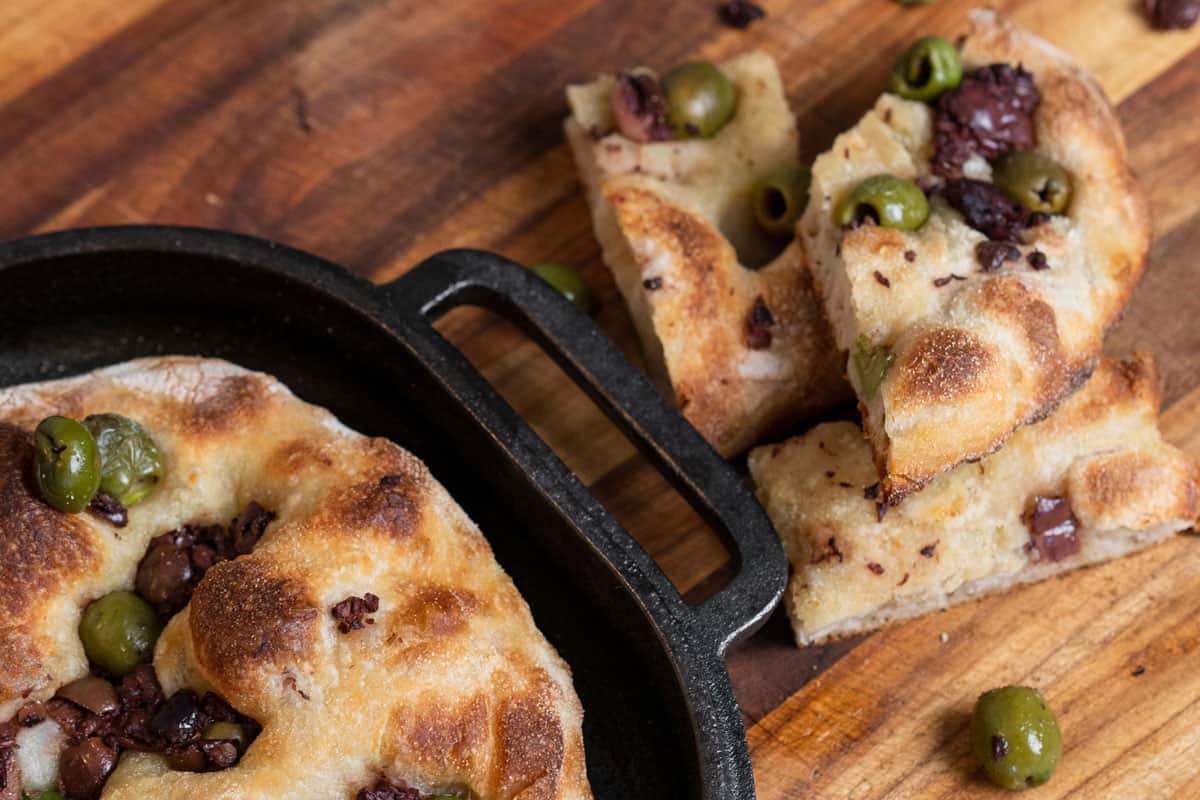
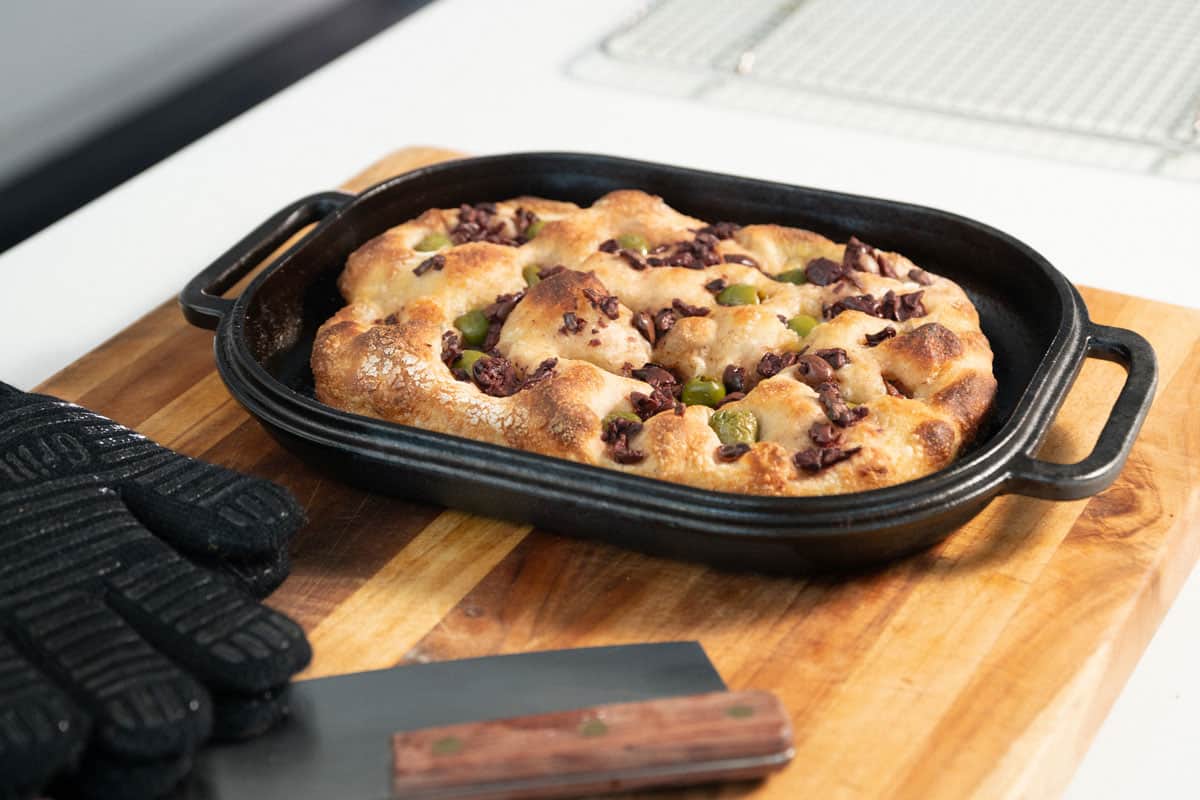
Top with your toppings of choice. Bake for 15-20 minutes or until you get your desired crust color. Remove and cool for as long as you like. Cut and enjoy!