tr?id=&ev=PageView&noscript=
Pinsa Romana

Dan Leader's Pinsa Romana

Called pinsa, from the Italian word for “to press,” this bubbly pie is made with rice flour in addition to wheat flour, which gives it a crust that is eggshell delicate but also eggshell crisp, and an interior that is light and bubbly.

2 1/2 hours hands-on, overnight proof, 1 1/2-2 hour final proof, 10-20 minute bake

Makes 2 pinsa, about 500 g each

Makes: 2 pinsa, about 500 g each

Start to finish: 14 to 30 hours

  • Gathering ingredients and preparing the dough, day one: 2½ hours
  • Proofing: overnight
  • Proofing, day two: 1½ to 2 hours
  • Baking: 10 to 20 minutes

After I first tasted the Roman-style pizza at Forno Campo de’ Fiori in Rome, where I had spent a few days at that bakery learning how it was made, I developed a Roman pizza recipe for my book Local Breads. Hundreds of pizzas later, I was satisfied that I couldn’t do any better than this chewy but airy delight.

Then recently, several European bakers that I know began talking about a new pizza style spreading like melted mozzarella across Italy and southern France. Called pinsa, from the Italian word for “to press,” this bubbly pie is made with rice flour in addition to wheat flour, which gives it a crust that is eggshell delicate but also eggshell crisp, and an interior that is light and bubbly.
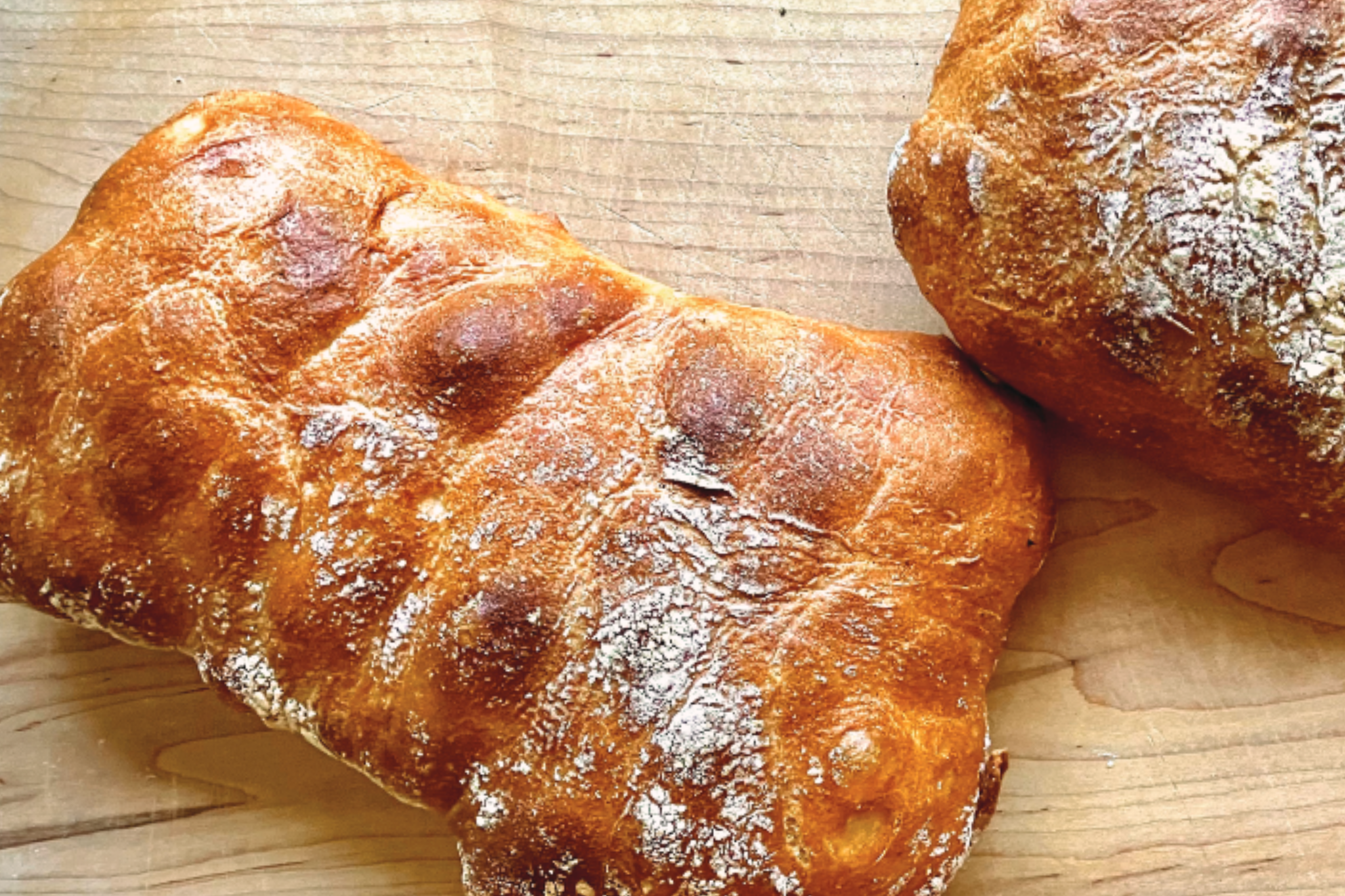
This is a great recipe for gaining confidence with long fermentation, practicing some soft skills, and staying open to new ways of making breads. After mixing the dough, you let it double completely, and then you refrigerate it overnight, or for up to 24 hours. Not only does this give you the flexibility of baking your pinsa whenever you want to eat it (pinsa is best enjoyed right from the oven), but it will also give you a chance to notice the differences between 18 and 24 hours of fermentation.

Depending on where I am, I bake pinsa either on a pizza stone or in my Challenger bread pan (my AGA stove in Maine can’t accommodate my favorite stone), in which case I divide the dough into three pieces instead of two and bake them one at a time. The dough pieces can also be baked on a grill or grill pan.

As far as toppings go, I stick to classics like olive oil with salt and rosemary, pine nuts, and basil, or a little bit of grated Parmesan and zucchini blossoms. Whatever you choose, don’t overpower the delicate dough with heavy toppings. A sprinkling of shredded mozzarella will be better than a half pound.

Ingredient Metric
00 flour 510 g
brown or white rice flour, plus more for dusting 60 g
spelt flour 30 g
instant dry yeast 3 g
water (70° to 78°F / 21° to 25.5°C) 484 g
fine sea salt 12 g
extra-virgin olive oil, plus more for brushing the dough 12 g
flaky sea salt, for sprinkling
all-purpose flour, for dusting
sauce and toppings of your choice (optional; see headnote)
  1. Very lightly drizzle a tablespoon or two of water into a rectangular plastic storage container with a lid or a large bowl. Brush with a pastry
    brush to coat.
    In the bowl of a stand mixer or in a large bowl if mixing by hand, weigh the 00 flour, rice flour, spelt flour, yeast, and 384 grams of the
    water. Fit the mixer with the dough hook and mix on low to mediumlow speed until the flours are moistened and the dough is shaggy, about 3 minutes. There will still be dry areas. Cover and let rest at room temperature for 15 minutes.
  2. Add the fine sea salt and mix on low to medium-low speed. Stream in 20 grams of the remaining 100 grams water and mix for 2 minutes, thoroughly scraping down the sides and bottom of the bowl to get all of the gummy bits off until the bowl is clean. Repeat three times,
    adding 20 grams of water at a time. Add the final 20 grams, mix for 2 minutes, scrape the bowl, and then turn the mixer to medium-high
    and mix for 3 more minutes. Last, with the mixer still running, stream in the olive oil and mix on medium until combined, 2 to 3 minutes more.
  3. Transfer the dough to the storage container or the bowl. The dough will feel wet and fragile. Don’t worry. As it sits it will gain strength. Right away, fold from top to bottom and then left to right, repeating twice for a total of six folds. Cover the container with the lid or the bowl tightly with beeswax wrap. Let rise at room temperature for 1 hour, then fold again. Repeat one or two more times, depending on the strength of the flour, folding and letting it rise for another 2 hours.
  4. Refrigerate at least overnight, but preferably for 24 hours.
  5. Lightly dust the countertop with flour. Quickly invert the bubbly dough onto the counter. You should have a sloppy rectangle measuring approximately 8 by 12 inches (20 by 30 cm). Dust the top with flour. Spread a clean large kitchen towel out onto the counter. Dust with a mixture of 50 percent rice flour and 50 percent all-purpose flour (see page 34) and make a pleat down the center the long way. Use a dough knife to cut the dough into two skinny rectangles measuring about 4 by 12 inches (10 by 30 cm) each. Place each dough piece on top of the kitchen towel, on either side of the pleat. Cover with another towel and let stand for 75 minutes.
  6. Meanwhile, set up the oven: Position one oven rack on the lowest rung and the other in the center. Set a cast-iron skillet on the lower rack. Line a baking peel or rimless baking sheet with parchment paper. Alternatively, the pinsas can be baked on parchment paper–lined or lightly oiled baking sheet(s). Preheat the oven to 525°F (275°C), or 500°F (260°C) if that is your oven’s highest setting.
  7. About 15 minutes before baking, with your fingertips, dimple the tops of the dough pieces every 1½ inches (4 cm). Transfer one of the rectangles to the lined peel or baking sheet. Cover the remaining rectangle with the towel. Close to baking time, fill a medium bowl with about 1 cup of ice cubes to have ready to add to the skillet to create steam. Slide the rectangle, still on the parchment, onto the stone or steel, pour the ice cubes into the skillet to produce steam, and close the door. Bake until the dough is beginning to puff up with some golden brown spots, 10 to 12 minutes, depending on the temperature of your oven.
  8. Carefully remove the pinsa from the oven and sprinkle with flaky sea salt. If adding toppings, skip the sea salt and arrange the sauce, cheese, or any other ingredients on top. Return the pinsa to the oven and bake until the dough is golden brown, the toppings are warmed through, and/or the cheese has melted, about 8 minutes. Depending on your oven, you might want to turn the oven to broil to toast the cheese for 1 to 2 minutes, keeping a watchful eye so as not to let it burn. Repeat with the remaining rectangle, baking the second loaf as directed above then sprinkling with sea salt or adding other toppings as desired before returning to the oven.

Approximately 7 hours plus overnight proof and 1 hour for baking

Approximately one 1 1⁄2 pound loaf (750g)
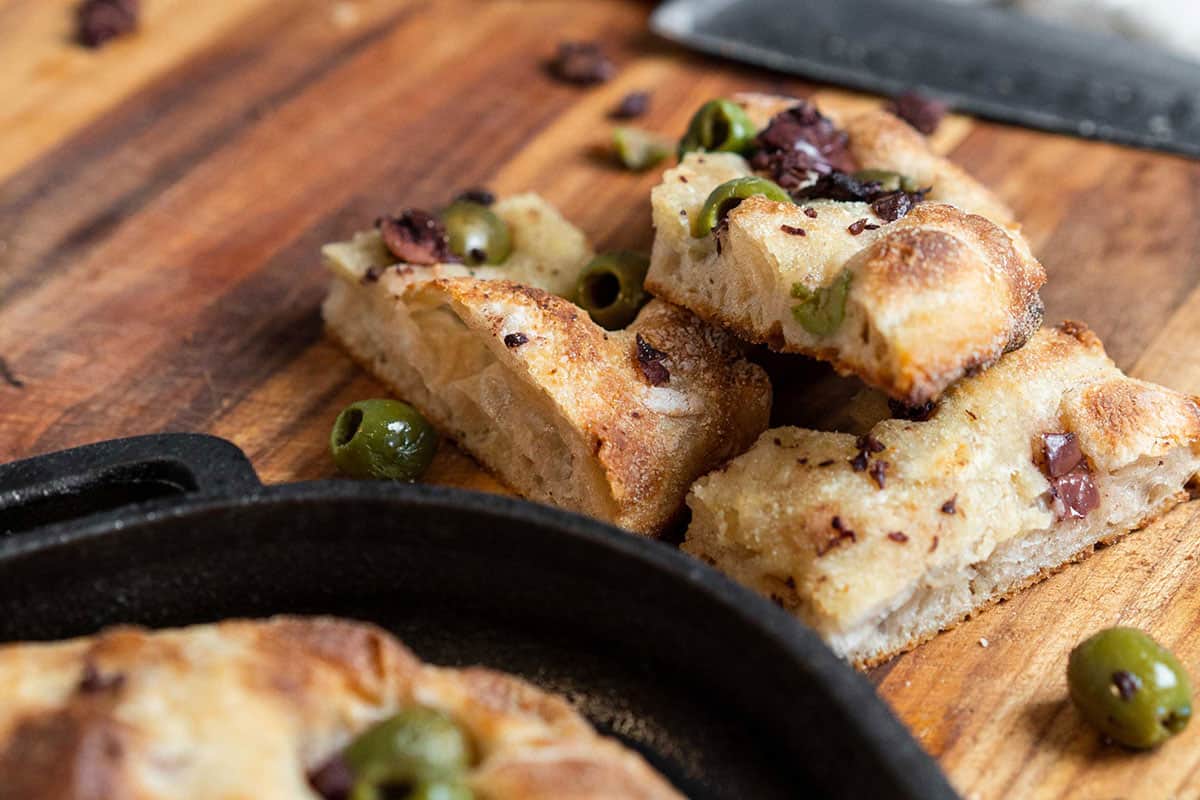
Less than 30 minutes hands-on time plus 48-hour cold retard in the refrigerator

Approximately two 10” x 12” pizzas (250mm x 300mm)
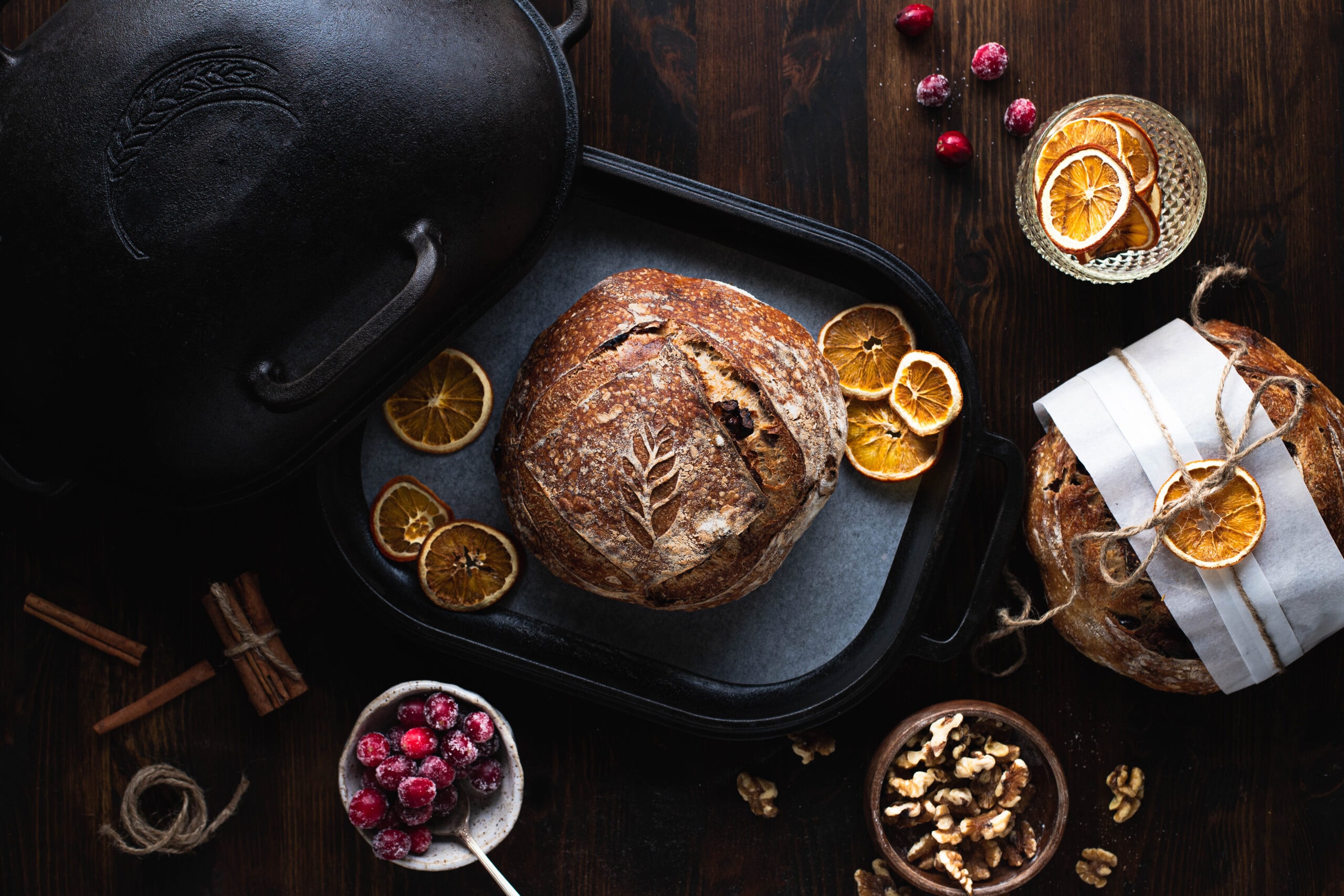
30 minutes hands-on, 4-6 hr bulk, 8-12 hour overnight cold retard, 40-45 minute bake

Two 750g loaves

Explore Our Baking Tools & Elevate Your Baking

Get More Baking Tips

Join our community and receive exclusive baking guides and tips.

Have no product in the cart!
0